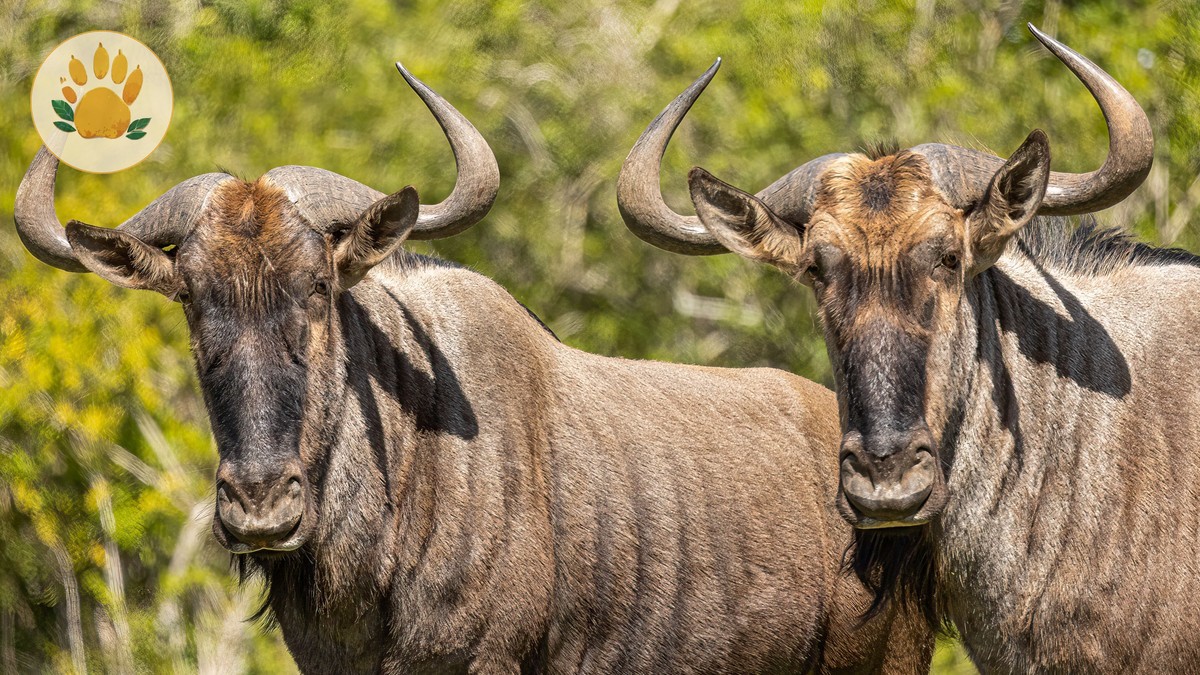
If you are booking a Kenya safari in June hoping to see the migration arrival at the Mara River, stop and read this first. In June, the wildebeest migration is still mostly in Tanzania. Herds are crossing the Grumeti River in the western Serengeti corridor, not the Mara River. Reliable Mara crossings usually start in late June or early July, then build through August and September.
That is not a reason to skip June. It is a reason to book it for what it actually offers.
Kenya safari in June: where the migration arrival actually stands
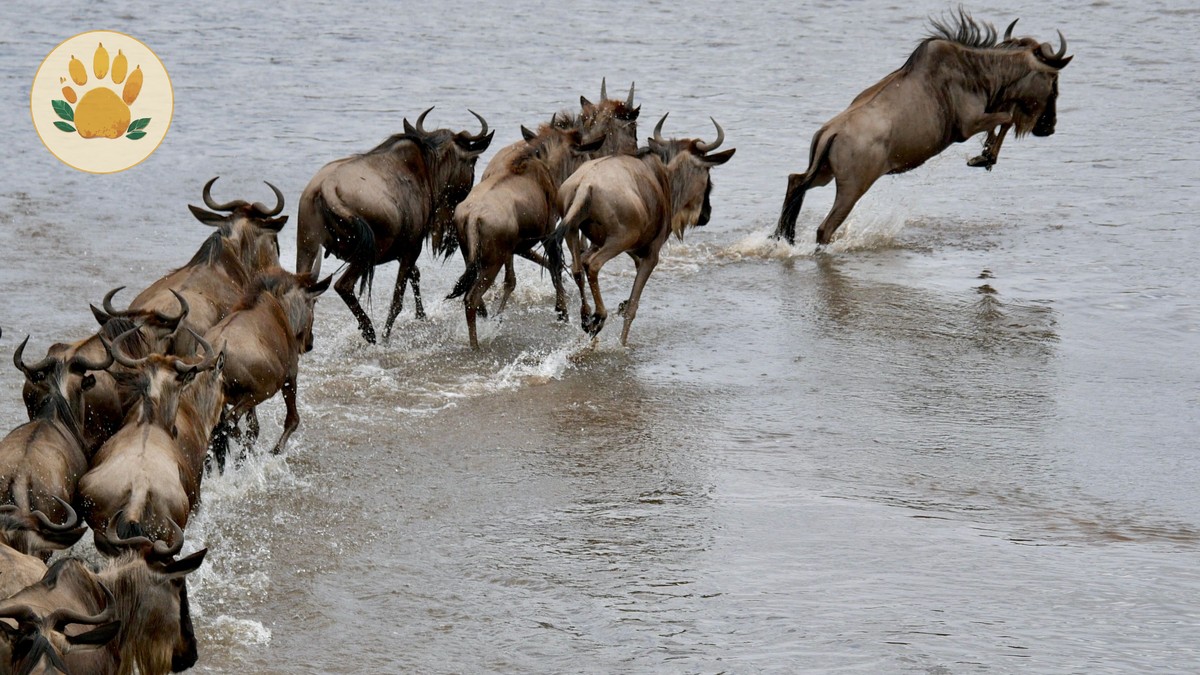
By early June, most of the migration has moved through the southern and western Serengeti and is pushing into the Grumeti region. Some scouting groups of wildebeest reach the Mara ecosystem’s southern edges by late June, but a real Mara River crossing in June is the exception, not the rule.
For a wildlife photographer, this timing matters more than it does for a general traveler. A crossing shot needs herds massed on a riverbank, which usually is not the June picture. What you get instead is movement: columns of wildebeest and zebra strung across open plains, calves born earlier in the year now strong enough to run with the herd, and predators working the edges of that movement. It is a different kind of frame, not a lesser one.
If your trip depends on filming or photographing an actual crossing, July through September is the safer bet. How September’s migration crossing crowds compare is worth reading before you lock in dates, since peak season brings its own trade-offs in vehicle numbers at the riverbanks.
June weather in Kenya
June sits in Kenya’s long dry season, which runs roughly from June to October. Expect daytime temperatures in the Mara around 25 to 27°C, dropping to 10 to 13°C overnight. Mornings are cool enough for a fleece on an open vehicle. Rain is unlikely but not impossible, usually short showers rather than the sustained downpours of the March to May long rains.
Dry grass and clear skies help visibility, which matters for both game viewing and photography. Dust builds up on tracks by mid-month, so plan for a lens cloth and a bag that seals.
Crowds and pricing versus July and August
This is where June earns its keep. The Mara reserve and its private conservancies are noticeably quieter than they will be from July onward, when both the migration and Kenya’s peak tourist season converge.
Fees make the difference concrete. The Masai Mara National Reserve, run by the Narok County Government rather than Kenya Wildlife Service, charges non-resident adults USD 100 per day from January through June. From July through December, that rises to USD 200 per day. Booking your safari before the end of June means paying half the entrance fee for the same reserve.
| Park or Reserve | Authority | Non-Resident Adult Fee (per day) |
|---|---|---|
| Masai Mara National Reserve | Narok County Government | USD 100 (Jan-Jun), USD 200 (Jul-Dec) |
| Amboseli National Park | Kenya Wildlife Service | USD 90 |
| Lake Nakuru National Park | Kenya Wildlife Service | USD 90 |
| Tsavo East / Tsavo West | Kenya Wildlife Service | USD 80 |
| Nairobi National Park | Kenya Wildlife Service | USD 80 |
| Chyulu Hills National Park | Kenya Wildlife Service | USD 40 |
| Mara North / Naboisho Conservancy | Private (bundled into lodge rates) | roughly USD 80-150 per person, per night |
Lodge and camp rates in the conservancies follow the same seasonal logic. June sits in the shoulder season, ahead of the July to October high season pricing that most Mara camps apply once the crossings start drawing crowds. For a full breakdown of how these figures are set and when they change, see current low-season park entry fees.
Fewer vehicles also means better game drives. In peak crossing season, a good sighting on the Mara riverbank can draw twenty or more vehicles. In June, a leopard sighting in Naboisho Conservancy might draw two.
Wildlife beyond the migration
June is calving season’s aftermath. Wildebeest, zebra and gazelle calves born from January through March are several months old by June, old enough to move fast but still vulnerable enough to keep predators interested. Lion prides in Mara North and Olare Motorogi Conservancy tend to be active hunters through the dry season, and cheetah sightings on the open plains improve as grass shortens.
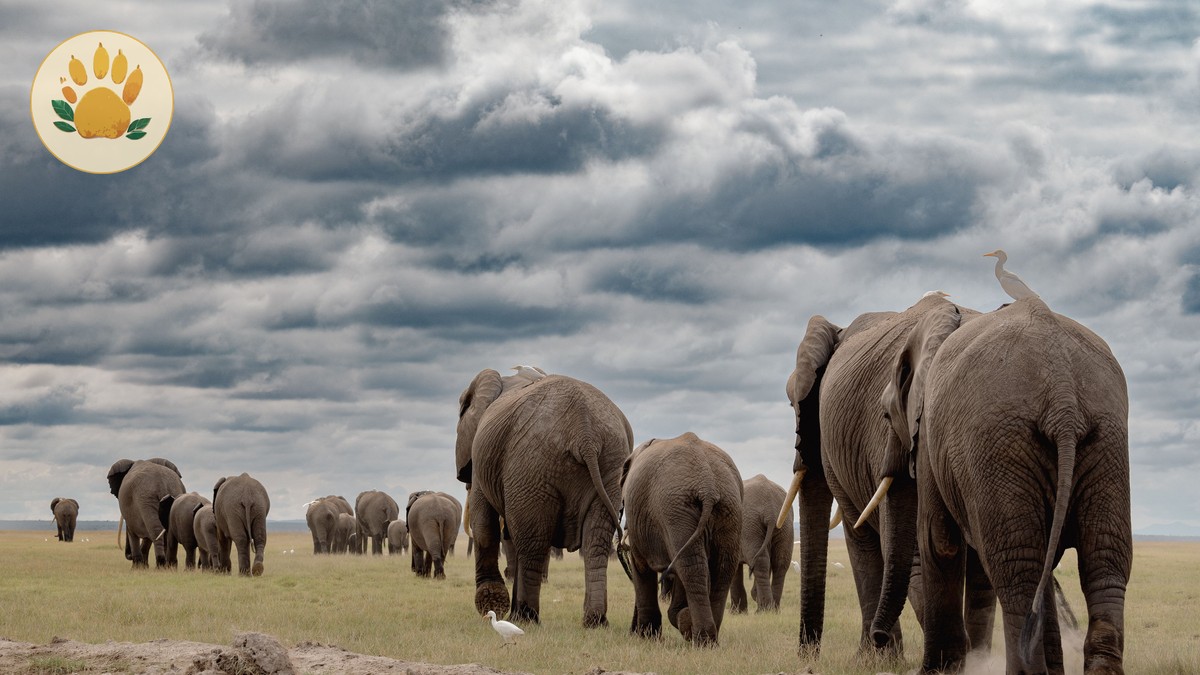
Elephant herds are also easier to find in June, since they concentrate near permanent water as smaller seasonal pools dry up. For a photographer who wants elephants without waiting on migration timing, Amboseli’s big tuskers as a June alternative is a strong pairing with a Mara-based trip, especially with Mount Kilimanjaro visible behind the herds on a clear morning.
Bird life stays strong through June as well, with resident raptors and storks concentrated around the rivers and marshes that will draw the migration a few weeks later.
Where to base yourself for an early June trip
For June specifically, the private conservancies bordering the Masai Mara National Reserve are worth the premium over reserve-only camps. Mara North Conservancy, Olare Motorogi Conservancy and Naboisho Conservancy all limit vehicle density by contract. They allow off-road driving and night drives, which the main reserve does not. Each sits close enough to the reserve boundary that a transfer into the Mara itself takes 30 to 45 minutes if the migration news changes mid-trip.
A camp in one of these conservancies gives you flexibility. If reports of an early crossing come in in late June, you are close enough to reposition. If they do not, you still have strong resident game and none of the crowding.
Practical planning: booking windows and flights
Scheduled flights from Nairobi’s Wilson Airport to Mara airstrips such as Ol Kiombo, Musiara or Kichwa Tembo take about 45 minutes and run several times daily in June, since this is not yet peak season for seat demand. Driving from Nairobi to the Mara covers roughly 270 km and takes 5 to 6 hours on the Narok route, depending on road conditions past Narok town.
Because June is shoulder season, camps release inventory more slowly than they do for July and August, which are usually booked out three to six months ahead. That gives more flexibility for late planning, but popular conservancy camps with fewer than ten tents still fill for the last week of June, when early migration scouts sometimes appear.
| Factor | June | July-September |
|---|---|---|
| Mara River crossings | Rare, unreliable | Regular, peak activity |
| Mara reserve entry fee | USD 100/day | USD 200/day |
| Vehicle density at sightings | Low | High, especially at river crossing points |
| Camp availability | Moderate, books closer to date | Tight, often booked months ahead |
| Young animal activity | Strong, post-calving season | Declining as calves mature |
The SafariPure Difference
We plan June trips around what is actually happening on the ground, not around a migration date pulled from a generic calendar. That means checking conservancy scout reports before your trip, choosing camps with fast repositioning options if herds move early, and being honest when a crossing is unlikely so you are not disappointed on day three.
Our guides also carry vehicle configurations suited to photography, with beanbags, low doors and enough space between guests to work a tripod. Patience matters more in June than in September, since you are reading the land for signs rather than following an obvious river crossing crowd. That is the kind of safari we are built for.
Planning your June safari
June rewards travelers who want a real Masai Mara safari without the crowds or the doubled entrance fees of peak season. It is an honest month, not a compromise one, if you go in knowing where the herds actually are.
If you would like help building a June itinerary around the Mara conservancies, Amboseli or both, visit our Masai Mara safari tours page or get in touch to start planning.